Wednesday, June 25, 2014

What's Wrong With This [Gardasil] Picture?


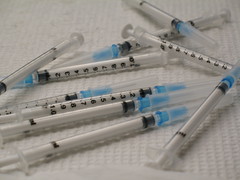
The AP reports on a story about a scientist who falsified AIDS vaccine research data. Can you spot the glaring mistake? Hint, above and below:


The human papillomavirus (HPV) and the human immunodeficiency virus (HIV) are not one and the same. Which is why Gardasil, a quadrivalent HPV vaccine, has nothing to do with HIV and should not be used to illustrate an article about the HIV vaccine.


Labels: , ,

Saturday, March 14, 2009

Universal HPV Vaccination for Boys?


Photo by NathanF

The case for and against immunizing boys against HPV:

YES

Widespread immunization of girls and boys against the human papillomavirus could fully eradicate types 16 and 18 of the virus. If we miss half the equation by leaving the boys out of our vaccination strategy, that type of public health success will not be possible.

The benefits of human papillomavirus (HPV) vaccination in boys are numerous. While protecting women from HPV and the morbidity and mortality associated with cervical cancer is a significant motivation for male vaccination, males would also accrue their own health benefits through vaccination. For example, approximately 12% of oral pharyngeal cancers are caused by HPV types 16 and 18, which also cause some penile and anal cancers. Also, 90% of genital warts are caused by HPV types 6 and 11, which can occur in boys as well as in girls; while not life-threatening, genital warts are certainly anxiety provoking. In addition, one out of four girls and one out of six boys is the victim of sexual abuse by age 20. That's a high number of young people for whom prevention would be relevant.

If we want to achieve herd immunity with HPV, we really need to vaccinate both sexes. There's also a larger message from society in how we choose to formulate our vaccination strategy. If we don't vaccinate boys, we are saying as a society that females alone have the responsibility for society's sexual health.

Men also have a stake in the health of their future sexual partners. While boys may be only 11 or 12 years old when their parents consent to HPV vaccination on their behalf, these boys and their parents will not want their future partners or offspring to be exposed to life-threatening HPV.

The cost-effectiveness estimates for vaccinating boys are not compelling at this point. However, the public health benefit is clear and the medical risks associated with vaccination are extremely low. In fact, the experience with girls in the United States has been excellent, with fewer adverse events reported for the HPV vaccine than for most other common vaccines.


NO[T YET]

The issue of immunizing males against HPV often comes down to whether they should receive the vaccine to protect females. Doing so is honorable and even reasonable, but at this point there is little evidence suggesting that this is cost effective.

Early cost-benefit analyses of this idea showed that a large number of males would need to be immunized to achieve even a minimal increase in protection for females. At the same time, adding males to the equation would significantly increase the cost of the immunization program. So, until there are more compelling data to show that immunizing males will protect large numbers of females, the right thing to do is to immunize the people we are trying to protect—girls and women themselves.

This said, there are other compelling reasons to consider vaccinating males. Newer data are beginning to show that HPV does more in men than might have been appreciated just a decade ago. A significant portion of head and neck cancers, anal cancers, and cancer of the larynx are caused by HPV. When you start adding up the number of cases of cancers in males attributable to HPV, you end up with roughly the same number as that of cervical cancer cases in the United States. Not to be forgotten is the significant morbidity associated with genital warts. So the reasons to immunize males will likely have more to do with protecting males against the diseases they get, rather than protecting women from cancer.

The catch with male immunization is that the studies showing that HPV vaccines prevent these cancers in men do not yet merit changing our vaccination strategy. When the data are available, I expect we will have sound reasons to immunize males against HPV. But studies showing that these vaccines prevent genital warts have not yet been published, and it will be perhaps 3–5 years before we see strong evidence related to cancer prevention benefits.

Labels: , ,

Sunday, November 09, 2008

HPV Vaccination Required For Female Immigrants

Did you know that:

Young women seeking to immigrate to the United States currently are required to be vaccinated against the human papillomavirus, under an amendment to the Immigration and Nationality Act. Under the 1996 amendment, individuals seeking immigrant visas must provide proof of vaccination for all vaccines recommended by the U.S. Advisory Committee for Immunization Practices. This list, which is updated periodically, now includes HPV vaccination for females aged 11-12 years, with catch-up vaccination among those aged 13-26 years. The addition of the HPV vaccine to the list of required vaccines for immigrants was automatic and required by statute, according to Centers for Disease Control and Prevention spokesman Curtis Allen, and was not part of ACIP deliberations when the committee originally recommended use of the HPV vaccine. According to a spokeswoman for Merck, the HPV vaccine Gardasil costs approximately $290-$375 for the three-dose series. The company was not aware of the immigration policy and did not lobby for that provision, she added.

Labels: , ,

Saturday, March 22, 2008

HPV Vaccine Coming to a Woman In Her 30s and 40s Near You


Photo by jared


The FDA has granted a priority review for Merck & Co's application to expand marketing of its Gardasil HPV vaccine to women aged 27 through 45. [Gardasil is currently approved for currently approved for 9 through 26 yo.]

Expect a decision form the FDA within 6 months.

Labels: , , ,

Saturday, February 02, 2008

HPV Vaccine For Boys

Coming [more or less] soon to a doctor near you.

Gardasil HPV vaccine for men
Photo by Ben Scicluna.


Merck plans to seek FDA approval for its quadrivalent Gardasil HPV vaccine in men later this year:

Merck has been testing the vaccine in an international study...focused on anal and penile cancer and genital warts...said Kelley Dougherty, a Merck spokeswoman....No data from Merck's study are available yet.

Labels: , , ,

Thursday, May 31, 2007

No Fast Track Review For Cervarix

LONDON - GlaxoSmithKline PLC revealed Thursday that the U.S. Food and Drug Administration has declined to grant a priority review to its experimental cancer vaccine Cervarix, adding to pressure on the drug maker after controversy surrounding its diabetes drug Avandia.

The FDA ruling means that Cervarix will have to go through a standard 10-month review, instead of a fast-track process that would have accelerated the approval and marketing of the vaccine in the key U.S. market.

Glaxo now expects to get the drug, which targets cervical cancer and is expected to become a multibillion-dollar product, to market in the United States sometime in 2008.

The company applied for U.S. marketing approval in March, hoping to receive a "priority review," which the FDA grants to medicines that represent a significant improvement compared with existing therapies.

Glaxo expects to launch the vaccine in Europe and several other markets in the second half of 2007. It was approved by health regulators in Australia earlier this month.


Gardasil, the vaccine that's already FDA approved, is designed to protect against HPV 6, 11, 16 and 18, while Cervarix is bivalent (HPV 16 and HPV 18).

Labels: , ,

Friday, April 27, 2007

Gardasil Efficacy Update

More good news about Gardasil, one of the HPV vaccines:

ATLANTA — The efficacy of Gardasil is becoming more apparent over time, Dr. Eliav Barr said at a meeting of the Advisory Committee on Immunization Practices of the Centers for Disease Control and Prevention.

Merck is continuing to follow subjects post marketing, with nearly 3 years of data now available from three of the premarketing trials involving more than 18,000 young women.

Among those are 2.4 years for the group that was naive to all four vaccine strains of human papillomavirus (6, 11, 16, and 18) at baseline, 2.9 years for another group that was naive to 14 HPV types, and 2.8 years for a combined group of uninfected and infected women at baseline, said Dr. Barr, program head of HPV Vaccines for Merck Research Laboratories, Blue Bell, Pa.

In the per-protocol investigation comprising only those naive to the vaccine HPV strains, efficacy of the vaccine against HPV 16/18-related cervical intraepithelial neoplasia (CIN) 2/3 or adenocarcinoma in situ (AIS) is 99%, down from 100% at the time of licensure. The drop was the result of just one case of HPV 16/18-related CIN3 in a Gardasil recipient (versus 73 cases in the placebo group). An investigation into that one case determined that it was likely caused by contamination, Dr. Barr said.

Efficacy against HPV 16/18-related vulvar and vaginal intraepithelial neoplasia 2/3 remains at 100%, as it was at licensure. Efficacy against any grade of HPV 16/18-related CIN or AIS is now at 96%, compared with 95% at licensure.

Efficacy continues to increase over time as more cases of HPV 16/18-related disease occur in placebo recipients. Against all vulvar and vaginal lesions, including warts, the vaccine has stayed 99% effective.

It's possible that the few vaccine recipients who did develop lesions—6 CIN/AIS and 2 vulvar/vaginal lesions, compared with 148 and 189, respectively, among placebo recipients—were already infected at baseline, he noted.

In the combined group of those infected and uninfected at baseline, vaccine efficacy is now 41% against CIN 2/3 or AIS (versus 34% at licensure), 71% against vaginal or vulvar intraepithelial neoplasia 2/3 (69% at licensure), 54% against CIN of any grade (46% at licensure), and 78% against vulvar/vaginal lesions including warts, up from 70%.

Preliminary data also suggest cross-protection of the vaccine against lesions caused by nonvaccine strains of HPV. The company plans to present those data later this year.

"The preliminary results are quite encouraging," Dr. Barr commented.

Labels: , ,

Thursday, February 01, 2007

Cervical cancer drops, but disparities persist

Interesting report on cervical cancer demographics (emphasis mine):

NEW YORK (Reuters Health) - In the United States, rates of invasive cervical cancer declined between 1998 and 2002, although significant racial, ethnic, and geographic differences persisted, according to pre-vaccine surveillance data covering 87 percent the population of women.

Altogether, 59,848 cases of cervical cancer cases were identified during the 5-year study period. The annual number of cases fell from 12,720 in 1998 to 11,071 in 2002.

The incidence rate declined from 10.2 per 100,000 women in 1998 to 8.5 per 100,000 in 2002, report Dr. Mona Saraiya from the Centers for Disease Control and Prevention, Atlanta....

For the period as a whole, the average annual incidence rate was highest among Hispanic women (14.8 per 100,000), followed by African American women (13.5 per 100,000). Rates among Asian or Pacific Islander women and white women were similar (8.9 per 100,000).

"We confirmed that in the United States there is a 50 percent higher incidence of cervical cancer among African-American (compared with white) and 66 percent higher incidence among Hispanic women (compared with non-Hispanic)," note the authors.

Cervical cancer rates rose with age for all groups. Among Hispanic women 40 years or older rates were 26.5 or more per 100,000; among African American women older than 50 years rates were 23.5 or more per 100,000 women.

"Our findings confirm the need to continue screening older women as recommended by guidelines and to find better strategies for access to screening of women of color," Saraiya and colleagues note.

There is evidence that suggests that the difference in cervical cancer incidence among African American, Hispanic, and white women may be due "in substantial measure, to differences, by race, in the follow up of abnormal Pap tests."

There were also geographic differences in cervical cancer rates, with higher rates of squamous cell carcinoma - the most common type of cervical cancer -- seen in the South than in other regions.

"Clearly, our approach to preventing cervical cancer in the United States should include more focused attention on pockets of high risk," the team notes.

Introduction in 2006 of a vaccine for human papillomaviruses (HPV), which cause most cases of cervical cancer, gives doctors "an additional tool" to reduce illness and death from cervical cancer. When administered appropriately, the HPV vaccine can prevent about 70 percent of all cervical cancers in this country and worldwide, they point out.

The surveillance system in place in the U.S., Saraiya's team adds, will provide a consistent means of measuring trends in the incidence of invasive cervical cancer in the post-cervical cancer vaccine era, although the effect of the vaccine may not be seen for two decades.

Labels: , , ,

Monday, January 01, 2007

Revised Guidelines for Women's Health Screenings

ACOG has issued updated recommendations for:

1) Down syndrome screening--All pregnant women, regardless of their age, should be offered screening for Down syndrome in their first trimester.

2) HIV Testing--Routine HIV testing should be offered to women ages 19 to 64 regardless of personal risk factors...and...adolescents who are or ever have been sexually active.

3) HPV Vaccine--HPV vaccination [should] be offered to all girls and women 9 to 26 who have not previously been vaccinated.

4) Tdap Vaccine--Adolescents should receive the Tetanus, Diptheria, Pertussis (Tdap) booster once between ages 11 and 16, then every 10 years thereafter up to age 64.

5) Meningococcal Vaccine--[A]dolescents not previously immunized [should] receive meningococcal conjugate vaccination before entry into high school. Older women at high risk also should receive the vaccine.

6) Colorectal Cancer Screening--Women age 50 and older should be screened for colorectal cancer using one of five recommended screening strategies....Single samples obtained by digital rectal examination in the ob-gyn's office are not adequate for colorectal cancer screening.

7) Preconception Care--[E]ncourage women of childbearing age to develop a reproductive health plan to help conscientiously assess the desire for a child or children or desire not to have children. The plan also should address the optimal number, timing, and spacing of children; determine the steps needed to prevent or plan for and optimize a pregnancy; and evaluate current health status and other issues relevant to the health of a pregnancy.

Labels: ,

Saturday, September 23, 2006

EU Approves Gardasil

PARIS (AFP) - Sanofi Pasteur MSD says it has won approval to begin selling Gardasil, the first vaccine against cervical cancer, in Europe.

The vaccine protects against the human papillomavirus (HPV), which causes genital warts that can lead to cancer. HPV infections are responsible for 70 percent of cervical cancer cases.

Sanofi Pasteur MSD, a joint venture between Sanofi-Aventis' vaccine unit and US pharmaceutical firm Merck, said it had been given the green light by the European Medicines Agency, the European equivalent of the US Food and Drug Administration.

Gardasil has already received approval in the United States, Mexico, Australia, Canada, New Zealand, Brazil.

Cervical cancer is the second most common cause of death from cancer, after breast cancer, among young women of 15-44 years in Europe, according to Sanofi Pasteur.

Approximately 33,500 women are diagnosed with, and 15,000 women die from, cervical cancer in Europe each year.

It is estimated that 250,000 new cases of genital warts in women related to human papillomavirus are diagnosed per year in Europe, according to the group.

Gardasil is indicated for the prevention of cervical carcinoma, high grade cervical dysplasia, high grade vulvar dysplastic lesions and external genital warts, and for the immunisation of children and adolescents of 9-15 years and adult females of 16-26 years of age.

Labels: ,

Monday, September 04, 2006

HPV Vaccines Offer Additional Protection

More good news about the HPV vaccine. Both Cervarix and Gardasil have been found to be effective against addition HPV strains:

The [Cervarix] vaccine is used against HPV 16 and HPV 18, the commonest cause of the disease.

However, in trials the vaccine has also been effective against two other HPVs, 45 and 31, the third and fourth most common strains.

...

Yesterday the conference heard of new results from a rival vaccine, Gardasil, made by Merck and to be marketed in the UK by Sanofi Pasteur.
Gardasil is designed to protect against HPV 6, 11, 16 and 18 and the results reported yesterday suggest that it is also effective against 31, 45, 52 and 58.

Margaret Stanley, professor of epithelial biology at the University of Cambridge, said: "These data are very exciting as they show that Gardasil may potentially provide some protection against additional cancer-causing human papillomavirus strains to those specifically targeted by the vaccine.

"This means there is the potential that it could protect against strains which are responsible for approximately 85 per cent of cervical cancers."

Labels: , , ,

Sunday, July 02, 2006

HPV Vaccine Age Guidelines

The age guidelines for the HPV vaccine are out:

ATLANTA - An influential government advisory committee Thursday recommended the routine vaccination of 11- and 12-year-old girls against the sexually transmitted virus that causes cervical cancer.

The Advisory Committee on Immunization Practices also said the shots can be started for girls as young as 9, at the discretion of their doctors. And it recommended a "catch-up" vaccination for women 13 to 26 who have not been previously vaccinated.

Labels:

Sunday, June 18, 2006

The HPV Vaccine

Good comparative article on Merck's quadrivalent [6, 11, 16, 18] vaccine Gardasil and GlaxoSmithKline's bivalent [16, 18] vaccine Cervarix:

JACKSONVILLE, FLA. - Both vaccines to prevent human papillomavirus infection will be highly effective, Dr. Diane M. Harper said at a conference on STD prevention sponsored by the Centers for Disease Control and Prevention.

Approximately 600 women participated in efficacy studies for a quadrivalent vaccine (Gardasil, Merck), and another 1,100 participated in efficacy studies for a bivalent vaccine (Cervarix, GlaxoSmithKline).

All women were screened at baseline to ensure seronegativity for high-risk strains 16 and 18 of the human papillomavirus (HPV) as well as for strains 6 and 11, which are also included in the quadrivalent product.

"The response was 100% for the bivalent and 89% for the quadrivalent for persistent, vaccine-specific HPV types for those who got the vaccine on time," Dr. Harper said. The recommended regimen for both vaccines is a 0.5-cc injection at 0, 2, and 6 months. In the studies, 94% of participants received all three doses, although not all according to protocol. The off-schedule efficacy was 95% and 89%, respectively, but these differences were not statistically different. "It indicated these will work in a real-world setting," she added.

...

Both vaccines target high-risk HPV type 16, the type primarily implicated in cervical cancer. Type 16, together with types 18 (also in both vaccines), 31, and 45, account for 81% of cervical cancers, Dr. Harper said. The bivalent vaccine, "although it was designed for 16 and 18, is just as efficacious for HPV 45 and half effective for HPV 31, so that is exciting," said Dr. Harper...

...

"These vaccines are preventive; they are not therapeutic-that is important to know," Dr. Harper said. "These prevent possible infection by HPV; these are not vaccines that prevent cancer." Because it is important that prevention lasts a long time, the need for a booster shot is anticipated with the bivalent vaccine 7-10 years later, Dr. Harper said. "We don't know if the quadrivalent vaccine will require a booster."

...

Adverse effects at local injection sites, including pain, erythema, and edema, were similar for both vaccines versus placebo. Other side effects such as headaches, gastrointestinal problems, and fatigue occurred at similar, "acceptable" rates in placebo and vaccine recipients, Dr. Harper said.

Other safety concerns with vaccines include new-onset autoimmune disease and musculoskeletal problems. "We can say no in both cases," she said.


Here's more on the important concept that HPV vaccines are preventive, not therapeutic (paraphrase/translation from medspeak mine):

Antibody production is the primary goal of the prophylactic HPV vaccines. In order to induce the immune system to produce HPV-specific antibodies, you need to stimulate it. [This is what happens with natural exposure to HPV--the virus enters the host's cells, stimulates an immune response, and the body produces antibodies which then clear the infection.] Since HPV, in order to cause infection, must infect actively proliferating and differentiating tissue, HPV cannot be routinely grown in the lab. The technology to produce a "live virus" or "live attenuated virus" vaccine is not available.

So, the next best thing is to use bits of HPV which are still able to stimulate the immune system to produce antibodies. [Hence the designation of HPV vaccines as subunit vaccines.] The HPV vaccines are based primarily on highly immune system-stimulating bits of the HPV outer coat protein [L1 major capsid protein]. The L1 protein self-assembles into virus-like particles (VLPs) that closely mimic the structure of the natural HPV. The VLPs are then able to stimulate the body to produce HPV antibodies.

One important point about VLPs--they do not contain viral DNA. This means VLPs are not infectious, and they have no cancer-producing potential.

Bottom line: HPV vaccines are created from noninfectious virus-like particles (VLPs) of the major capsid protein, L1, that closely mimic natural HPV virions. The vaccines are intended to prevent infection, not treat disease.

Labels: , ,

Wednesday, June 14, 2006

Merck's Ad Miss Is Digene's Hit

By now you know that Merck's Human Papillomavirus (HPV) vaccine Gardasil has received FDA approval. But did you also know that the TV ad where a group of women expresses surprise at the link between the human papilloma virus (HPV) and cervical cancer is Merck's? Until recently, I had no idea. Not only did I not connect it with Merck, I was convinced it must be an ad sponsored by Digene, the maker of the HPV DNA Test. Each time I saw the ad, I gave Digene a couple of points for doing a good job of educating the public, and raising HPV awareness.

Which brings me to Digene's thehpvtest.com. The company's PR people sent me the link, and, as you would expect, it's a site with information on why having the HPV test could be beneficial for you. I checked it out and it's a good, first step, resource. [More on HPV testing as an adjunct to Pap smear screening here.]

The one thing I do want you to take a look at, and pay particular attention to, is this depiction of dysplastic (abnormal) cells, in particular the degree of dysplasia.


As we've discussed, the viral particles penetrate the genital skin and mucosal surfaces through small abrasions. Once inside the cell, the virus causes abnormal changes in the host cell (dysplasia). The dysplasia can be low-grade, or high grade. [Notice the difference in the location of the abnormal cells--part of the thickness vs. full thickness.] Also, look at the difference in abnormal cell distribution between a precancerous condition (panels 2 and 3) and cancer (panel 4, lower right corner). From a treatment perspective, as long as the basement membrane is intact [precancerous condition], you can use a local method to "treat" the abnormal cells [by destroying/removing the affected tissue]. Keep these illustrations in mind when you discuss the results of a Pap/HPV test with your Ob/Gyn.

More on HPV DNA testing here, here, and here.

Labels: , , ,

Sunday, December 18, 2005

Cervical Cancer and the Kindness of Strangers

As you might recall, the clinical trial results for the human papillomavirus (HPV) vaccine have been most promising. Both Merck's Gardasil quadrivalent (16, 18, 6 and 11) HPV vaccine, as well as GlaxoSmithKline's Cervarix bivalent (16 and 18) vaccine have shown excellent promise.

Unfortunately, it appears effectiveness in preventing cancer is not enough. Not if you have the misfortune of being a female patient (emphasis mine):

Despite the obvious benefits, the vaccines may not be an easy sell: There are social and moral hurdles to overcome. "The biggest problem for companies will be convincing society of the need to vaccinate young girls against what is essentially a sexually transmitted disease," says Dr. Anne Szarewski, a clinical consultant at Cancer Research UK, which is conducting phase iii trials of Cervarix at Margaret Pyke Centre in London. Women worldwide had better hope Merck and GSK succeed.


So, all women can do is cross their fingers and hope that pharmaceutical companies [and/or politicians] have enough of a financial interest, or are benevolent enough to have their best interest at heart. Brilliant! Because, when it comes to making medical decisions, there's nothing like depending on the kindness of strangers. When did it become the accepted norm that female patients should be at the mercy of strangers in matters of health?

Labels: , ,

Sunday, October 09, 2005

The Cervical Cancer Vaccine

By now you've already heard the news about Gardasil, Merck's new cervical cancer vaccine targeting the human papillomavirus (HPV):

NEW YORK (Reuters) Oct 06 - An experimental vaccine completely prevented early-stage cervical cancer and precancerous cervical lesions caused by human papillomavirus type 16 and 18, Merck & Co. said on Thursday.

"This trial confirms that a vaccine can give young women a high level of protection from developing precancerous lesions and early cervical cancers," Laura Koutsky, a professor of epidemiology at the University of Washington who led the study, told Reuters.

The favorable findings were seen in a phase III trial sponsored by the U.S. drugmaker, which included more than 12,000 women from 13 countries, aged 16 to 26, who were not infected with either of the virus types when the trial began.

HPV 16 and 18 are responsible for an estimated 70% of cervical cancer cases, and are the targets of Merck's Gardasil vaccine. Such cancers kill about 300,000 women worldwide each year, including almost 4,000 in the United States, Merck said.

...

Half the women in the trial received three doses of Gardasil over a 6-month period, while the other women received placebo. The women were then followed for an average of 17 months.

Merck said Gardasil was 100% effective in preventing precancerous lesions and early-stage cancers associated with HPV 16 and 18 among women who remained free of infection until they received their final dose of the vaccine. The vaccine thereby easily met its primary trial goal.

By contrast there were 21 cases of lesions and early-stage cancers associated with the two virus types among those taking placebos, Merck said.

Although the vaccine was completely protective against the two virus types, Koutsky said she hopes the vaccine will eventually be improved to protect against up to another half dozen types of the virus that cause cervical cancer.

"In that case, you could be blocking viruses that cause 87% of cervical cancer cases, instead of 70%," she said.


We have already discussed HPV, so let's try to address some of the questions you might have about the vaccine.

Q: Why do we need to vaccinate the population at large?

It's estimated that 75% of the population gets exposed to this very common virus at some point during their lives. Overall:

  • 1% (1.4 million) have genital warts.

  • 4% (5 million) have subclinical disease (evidence of HPV manifestations that are not visible to the naked eye, but could be detected with colposcopic magnification. These subclinical manifestations are most important on the cervix, but may be found anywhere on the lower genital tract. Many of these individuals will have an abnormal Pap smear.)

  • 10% (14 million) are HPV positive (on colposcopy there is no evidence of disease.)

  • 60% (81 million) have been exposed to HPV (A reliable HPV antibody test is likely to be positive, but a direct test for the virus would be negative, indicating that there had been an infection in the past, but the patient developed an immune response and suppressed the virus.)

    So, 75% of the population is exposed to HPV. Once infected, most people's immune system, and/or treatment keep the infection in check. The majority of people with the disease do not progress to cervical cancer. Unfortunately, it is not possible to predict how any one individual will react to being infected with HPV.

    Q: Why are the vaccine trials focused on preferentially vaccinating young women?

    First, why females? By design--because of the cervix--women (young women, as well as pregnant women, regardless of age) are more susceptible. [On the cervix there's an area of transition--from vaginal- to uterine-type tissue. This area is called the transformation zone (TZ); it's an area of high activity. Not only are TZ cells more vulnerable to HPV infection, but, once infected, they're more likely to undergo HPV-induced cancerous transformation. Approximately 90% of cervical cancers occur in this small anatomic region. There is no TZ equivalent on the penis.]

    Click [WARNING! graphic pics] here to see cervical manifestations of HPV in the TZ.

    Second, why young females?

    Because our aim is to prevent infection in the first place.

    In the United States, the average age of menarche [first period] is about 12 years of age. Girls typically initiate intercourse in their mid to late teens. By the age of 20 many would have been exposed to HPV.

    Currently, the way we deal with HPV is to intervene *after* the infection has occurred. However, the ideal approach is to prevent infection in the first place. This could be achieved by the use of a prophylactic HPV vaccine.

    Click here to see a very nice illustration of this concept (Slide 12).

    Q: Why are HPV 16 and 18 the target of Merck's vaccine?

    Because [o]ne of the most important determinants of whether an HPV infection will progress to precancer or cancer is the HPV type.

    Recall that HPV can infect many different sites--the larynx, skin, mouth, esophagus, and the anogenital tract. Over 100 HPV types have been detected; ~20 different types of HPV can infect the anogenital tract. Persistent infection with an oncogenic [cancer-causing] HPV type is the most important risk factor for cervical cancer.

    Infection with high-risk HPV types, most commonly types 16 and 18, cause low-grade cervical cell abnormalities as well as high-grade cervical cell abnormalities that are precursors to invasive cervical cancer. They're also associated with other malignancies including vulvar and anal cancer. [Other high-risk HPV types are 31, 33, and 45.] Infections with low-risk types most commonly types 6 and 11 cause benign or low-grade cervical cell changes and condylomata acuminata otherwise known as genital warts.


    Fast Fact: You have a 60% risk of getting the infection in a single sexual contact with someone who has genital warts.

    So, if you're trying to combat cervical cancer, you need to come up with a vaccine that works against HPV types 16, and 18. If your focus is genital warts you need to develop a vaccine that targets HPV types 6 and 11. [Of course, the ideal solution is to come up with a vaccine that works against all four HPV types--16, 18, 6, and 11. Researchers are working on just such a quadrivalent HPV vaccine.]

    To read a detailed account of the HPV vaccine trials, go here. Of note, the safety of the vaccine:

    When looking at serious adverse effects, we find the numbers in this study are very similar to the numbers in the last study. Notice that for serious adverse effects related to vaccine, the numbers are again zero in both placebo and the vaccine arms, and that during the study 22 patients in the vaccine group and 19 patients in the placebo arm had some sort of adverse reaction.


    Q: Are the researchers working on the HPV vaccine aware of potential barriers to its acceptance?

    Yes they are:

    There are many specific issues that a health care provider may need to deal with when educating patients and their families about HPV vaccination. Foremost are family or parental issues regarding HPV vaccination. The ideal age group for HPV vaccination may well be young teenagers who do not normally have to deal with issues related to sexually transmitted diseases or cancer prevention. Many parents may or may not decide that the vaccine is a good thing for their daughter or feel that their daughter is specifically at risk for the diseases the vaccines prevent. They also may think that it's an issue that can be put off since the child is not sexually active, not understanding the fact that it is best to give the vaccine before initiation of sexual activity.

    ...

    There are also specific individual issues that may have to be addressed. There are a lot of health beliefs and lifestyle issues that may be pulled into the debate about whether HPV vaccine is right for specific patients. Specifically, a patient may have issues about perceived susceptibility to the disease process itself, the severity and nature of HPV infection, and the benefits of immunization. We already know from studies that many patients do not know about HPV and are unaware of the serious sequelae that can occur from HPV infection. In fact, less than one-third of men and women in the general population are aware of HPV and its sequelae.

    There may also be cultural issues that have to be dealt with. Some folks may feel that the HPV infection, being an STD, is a deterrent to sexual activity. They may also see the HPV vaccine as condoning or encouraging teenage sexual activity. There also may be distrust of the vaccine itself, or any sort of medical activity or device, and there are specific groups out there who feel like all vaccines are bad.


    Bottom line: The HPV vaccine is an extremely significant development because it offers tremendous possibility in helping reduce the incidence of abnormal Pap smears, cervical cancer, and genital warts in the United States as well as worldwide.

    Labels: , , ,

  • Wednesday, April 20, 2005

    Human Papillomavirus (HPV)

    Via the excellent Alas, a Blog, I read an item about the human papillomavirus (HPV) vaccine and the Family Research Council, and I meant to post about it. FRC opposes the HPV vaccine because:

    "Abstinence is the best way to prevent HPV", and "Giving the HPV vaccine to young women could be potentially harmful, because they may see it as a licence to engage in premarital sex".

    FRC's stance is too uninformed to merit comment, and I'll leave it at that--there's just too much material to cover, to waste time on frivolous pronouncements. [Although, I must say, it would be interesting to know why reporters insist on getting quotes from FRC-type groups. They contribute nothing to the discussion. It doesn't seem like they have the conviction of their beliefs, and as such, can't be candid ("Based on our religion, we believe sexually active women, as well as random neonates are to be deprived of proper medical care."). Nor do they exhibit a knowledge of medical facts (e.g., for women, the proven benefits of genital cancer protection outweigh the potential risks of premarital sex; for neonates, at risk of life-threatening HPV diseases acquired via maternal transmission, sexual activity isn't even an issue).]

    Back on topic, let's go over some facts about HPV, and the HPV vaccine.

    [What follows is a brief, and selective discussion; reference articles used here, here, and here; some original text modified/rearranged for clarity.]

    Before we start, keep in mind that human papillomavirus (genital warts), or HPV, and herpes simplex virus (herpes), or HSV, are not one and the same thing. [There are some pertinent similarities between the two: sexually transmitted, genital and nongenital lesions, different types, etc. For more on herpes simplex, go here.]

    HPV Overview

    Human papillomavirus (HPV) is a group of double-stranded DNA viruses [over 100 HPV types have been detected]; it produces lesions/tumors of the skin and mucous membranes. HPV can infect many different sites, including the larynx, skin, mouth, esophagus, and the anogenital tract.

    The diseases caused by HPV fall into three categories [our focus is on the anogenital one]:

    1. Nongenital Skin Disease (common warts, plantar warts, etc.)

    Note: Common warts are not the same as genital warts and are caused by different HPV types.

    2. Nongenital Mucous Disease (respiratory papillomatosis, cancer of the larynx, mouth, esophagus, etc.)

    3. Anogenital Disease:

    Note: Approximately 20 different types of HPV can infect the anogenital tract.

  • Genital warts [condylomata acuminata] (HPV types--6, 11, 30, 42, 43, 44, 45, 51, 52, 54)

  • Bowenoid papulosis (16, 18, 34, 39, 42, 45)

  • Bowen disease (16, 18, 31, 34)

  • Giant condylomata (Buschke-Löwenstein tumors) (6, 11)

  • Unspecified intraepithelial neoplasia (30, 34, 39, 40, 53, 57, 59, 61, 62, 64, 66, 67, 68, 69)

  • Low-grade intraepithelial neoplasia (6, 11, 43)

  • Intermediate intraepithelial neoplasia (31, 33, 35, 42, 44, 45, 51, 52)

  • High-grade intraepithelial neoplasia (16, 18, 56, 58)

  • Cancer of vulva (6, 11, 16, 18)

  • Cancer of vagina (16)

  • Cervical cancer (16, 18, 31)

  • Cancer of anus (16, 31, 32, 33)

  • Carcinoma in situ of penis (erythroplasia of Queyrat) (16)

  • Cancer of penis (16, 18)

    Note: About 90% of genital warts are caused by 2 specific HPV types (6 and 11) and are the least likely to have cancer-causing potential.

    Other less common types have been strongly associated with premalignant and malignant cervical cancers in women. HPV-16 is responsible for about 50% of cervical cancers, and types 16, 18, 31, and 45 together account for 80% of cancers.

    Now, in order to understand the thinking behind the HPV vaccine, you need to understand HPV replication, lesions, and their malignant potential, especially in women. [What follows is a gross oversimplification.]

    HPV Replication

    HPV infection results in local infections* which can be clinical (grossly apparent--e.g., the warty lesions on the labia/penis; subclinical (can't see lesion with naked eye--e.g., cervical lesions); or latent (detected only by DNA tests). Most HPV infections are latent; clinically apparent infections usually result in warts rather than cancers.

    *[In men, genital warts can infect the urethra, penis, scrotum, and rectal area. Lesions can also be hidden or undetectable (e.g., in the inner aspect of the uncircumcised foreskin).

    In women, genital warts usually occur in the moist areas of the vulva (e.g., on the labia, or vaginal lips), and in the anorectal area. Subclinical lesions are common on the cervix, and in the vaginal canal.]

    The viral particles are able to penetrate the skin and mucosal surfaces through microscopic abrasions in the genital area, which occur during sexual activity. Once cells are invaded by HPV, a latency (quiet) period of months to years may occur. [The exact incubation time is unknown, but most investigators believe the incubation period is 3 months.]

    Once inside the infected cell (the host), the virus starts to replicate. Low risk HPV types (6,11), the ones associated with the clinical, genital warts, lesions replicate without incorporating their genetic material into the host cell's DNA.

    In contrast, the high-risk HPV types (16,18) incorporate a portion of their genetic material into the host DNA. So what, you might ask?

    The incorporated viral genetic material can alter the host cell's growth regulation. [A healthy host cell has tumor suppressor genes; these genes inhibit the cell's unregulated growth. The virus inactivates the cell's tumor suppressor genes, resulting in unregulated host cell proliferation and cancerous transformation.] OK, but how does this explain preferentially vaccinating girls vs. boys? Two words: Transformation zone (TZ).

    If you recall your basic anatomy, the cervix, the lower part of the uterus, is partly located inside the vagina. Somewhere on the cervix there's an area of transition--from the vaginal-type tissue, to the uterine-type tissue. This area is called the TZ, and it's an area of active cellular change. Approximately 90% of cervical cancers occur in this small anatomic region. There is no TZ equivalent on the penis.

    So, the virus "likes" active tissue, like the TZ, and younger women [pregnant women also] tend to have a more active TZ vs. older women. But that is not the only HPV-related disadvantage young women have. They are also less likely to have developed immunity to HPV.

    To place immunity to HPV in context, we need to look at the type of lesions caused by the HPV virus.

    HPV Lesions

    The major complication from exposure of the vulva, vagina, or cervix to HPV is the development of dysplasia [the abnormal host cell changes caused by the virus]. This dysplasia is graded**--from low-grade, to high-grade, and cancerous changes.

    **[Progression of cervical dysplastic change to cancer occurs in a predictable pattern. The latent period between infection with a cancer-causing HPV virus and demonstration of Pap smear abnormalities can be measured in years. Once dysplastic changes are initiated, the degree of dysplasia typically slowly worsens as the cellular changes progress toward cancer. The host's cells first become atypical then demonstrate low-grade dysplastic changes followed by high-grade changes, and, ultimately, cancer develops. Spontaneous resolution of lesions at each level of dysplasia has been demonstrated, but this becomes less likely as severity increases. Rapid progression of dysplastic lesions to invasive cancer also has been described. (This is why all irregularities, regardless of lesion grade, need to be evaluated!)]

    Recall that the HPVs that infect the human cervix fall into 2 broad categories. The low-risk HPV types (6, 11), which usually cause genital warts, are associated with low-grade lesions but are rarely, if ever found in invasive cancer. These HPV infections are associated with mild dysplasia that is often transient in nature. Many patients with mild dysplasia of the vulva, vagina, or cervix experience spontaneous regression of these lesions. [The majority (78.3%) of low-grade lesions regress spontaneously. Genital warts may go away on their own in about 10-20% of people over a period of 3-4 months.]

    In contrast, the high-risk HPV types (mostly 16 and 18) in subclinical, cervical lesions, are found in 50-80% of dysplastic lesions, and in up to 90% of invasive cancers. Patients who are exposed to these high-risk HPV types are at risk for developing high-grade dysplasias or carcinomas. [The development of cancer occurs in a small percentage of these patients who do not have therapy for dysplasia.]

    So, HPV infections are transient in the vast majority of patients [infections clear spontaneously within months to a few years]. How is that possible?

    If you are immunocompetent***, your immune system kicks in and stops the viral replication. [Unless the woman is constantly exposed to different HPV types, the prognosis of immunocompetent women diagnosed with condyloma acuminata is excellent. Patients who do not develop immunity to HPV can develop potentially serious sequelae.]

    ***[Women who are immunocompromised due to immunosuppressive drugs or HIV infection are at higher risk of developing persistent disease. These women have a higher incidence of developing dysplasia of the vulva, vagina, or cervix.]

    Pregnancy and HPV

    During pregnancy, there is an increased prevalence of anogenital HPV infections--from the first to third trimester. [In the postpartum period there's a significant decrease; the warts often disappear on their own after pregnancy.] Dormant (quite) infections may become activated, and rapid growth can be observed.

    Factors responsible include suppression of immunity during pregnancy and hormonal changes.

    The risk of condyloma acuminata in pregnancy is 3-fold. First, the lesions can become large enough to obstruct labor. Secondly, the virus can be transmitted**** to the infant, resulting in laryngeal warts. [HPV can cause a very serious condition in children called recurrent respiratory papillomatosis (RRP). This is a life-threatening disease of the respiratory tract.] The warts appear and spread quickly, sometimes dangerously blocking the child's airway. Thirdly, pregnancy is a cofactor in the malignant transformation of HPV-infected tissue

    ****[Vertical transmission of HPV can occur via in utero exposure to amniotic fluid or transmission of HPV from the maternal genital tract. An incubation period of several months usually is required between virus infection at delivery and clinical manifestations in the infant. The average latency period is 3 months, but periods as long as 20 months have been reported.]

    Approximately 5% of all births in the U.S. are at risk for neonatal HPV exposure. But the good news is that the frequency of childhood laryngeal papillomatosis is extremely low (~ 2000 cases/year). This would imply the transmission rate from mother to infant is low

    Treatment

    A few words about HPV treatment.

    Anogenital HPV is a sexually transmitted infection. Approximately two thirds of individuals who have sexual contact with an infected partner develop genital warts. You have a 60% risk of getting the infection in a single sexual contact with someone who has genital warts.

    The only way to prevent HPV infection is to avoid direct contact with the virus, which is transmitted by skin-to-skin contact. [Because the warts themselves are infectious, avoid touching them.] Latex condoms offer some, but not complete, protection from transmission. However, always use a condom with vaginal, anal, or oral sex, because the virus may be found in the semen in the absence of visible warts.

    If your sexual partner has visible genital warts, avoid sexual contact until treatment is completed. [The sexual partner(s) of a woman with condyloma should be examined by a physician and treated if indicated. Often the examination of the male fails to reveal any visible condyloma. If need be, men can also undergo colposcopy; the examination is usually done by an urologist.]

    No single treatment is effective in eliminating warts and preventing them from coming back. [Here's a patient-friendly list of available HPV treatments.]

    An aside: Based on my clinical experience, let me single out one treatment for special praise: Aldara (Imiquimod). I've used all the available HPV treatments, and, in the medical group, Aldara stands out. In my experience, 100% success rate, and very well tolerated (a few instances of local skin irritation). If appropriate for you, I strongly recommend it. [And no, I have no financial connections to the company.]

    The important thing you should understand about HPV treatment is that when you treat HPV you do not eliminate the HPV infection; you're only eradicating an area of dysplasia. Think of it this way: A house has termites (house = your tissue; the termites = HPV virus). HPV treatment is equivalent to removing the part of the house with the worst termite damage, and the local termites. The rest of the house, and termites stay in place. [No evidence demonstrates that treatment eliminates HPV infection or that it decreases infectivity. In fact, warts may recur after treatment because of activation of latent virus present in healthy skin adjacent to the lesion.]

    Regardless of the mode of therapy chosen, recurrence rates are high for any patient with condyloma acuminata. Most patients who develop recurrent or persistent disease are diagnosed within 6 months of therapy.

    Finally, one more important point about treatment: Not everybody infected with HPV needs treatment. [This is not medical advice; use it as a discussion point with your own Ob/Gyn.] Because most HPV infections regress spontaneously when the immune system controls viral replication, the need to treat subclinical or mild disease is controversial. Treatment is not recommended for subclinical anogenital and/or mucosal HPV infection in the absence of coexistent dysplasia. Treatment usually is reserved for patients with visible vulvar warts.

    HPV Frequency

    Frequency of HPV infection in the population is difficult to estimate accurately. [Genital warts] are clinically apparent in 1% of the sexually active population. Molecular studies indicate 10-20% of men and women aged 15-49 years have been exposed to HPV. Prevalence of HPV is higher in certain populations. Data from sexually transmitted disease clinics indicate a prevalence rate of 4-13%.

    The prevalence of condyloma acuminata seems to be similar in men and women. One study from a sexually transmitted disease clinic in the state of Washington found 13% of men and 9% of women had condyloma acuminata.

    Based on clinical observations, incidence of HPV infection clearly has increased in the last 35 years.


    The highest rates of genital HPV infection are found in sexually active women younger than 25 years, even after correcting for the number of lifetime sexual partners. [The reason for the higher prevalence in younger women is not completely understood.] Most of these infections seem to be transient [One study found that the rate of HPV infection is twice as frequent in women younger than 30 years as it is in women older than 30 years.]

    Bottom line: The HPV vaccine is aimed at preventing persistent high-grade cervical lesions caused by HPV types 16 and 18, as well as low-grade lesions/genital warts caused by HPV types 6 and 11. Interim trail results have been very promising and, once approved, this vaccine will be a very important addition to women's healthcare.

    Labels: , , , , ,

  • Tuesday, February 01, 2005

    Repro Health News

    Cervical cancer

    Steady progress on the development of a cervical cancer vaccine:

    A vaccine that could prevent young women from developing most cases of cervical cancer could be on the market within a few years.

    Researchers are testing dozens of vaccines against different types of cancer but those that protect women against strains of the human papillomavirus (HPV), which are linked to more than 70 percent of cervical cancer cases, are the most advanced.

    "I believe there will be an HPV vaccine sometime in the next few years," Anne Szarewski, a clinical consultant at Britain's Wolfson Institute of Preventative Medicine, told journalists.

    Results from early trials of two separate vaccines developed by drugs giant GlaxoSmithKline and Merck, which protect against HPV infection, have been promising.

    ...

    Szarewski said an HPV vaccine would have enormous potential in poor countries where screening is not available.

    She is beginning Phase III trials of one of the vaccines in 300 women aged 15-25. The women will be given three doses of the HPV vaccine or a hepatitis A vaccine, which will act as the control.


    Abstinence-only sex education

    Study finds abstinence-only sex education programs in Texas do not work:

    Abstinence-only sex education programs, a major plank in President Bush (news - web sites)'s education plan, have had no impact on teenagers' behavior in his home state of Texas, according to a new study.

    Despite taking courses emphasizing abstinence-only themes, teenagers in 29 high schools became increasingly sexually active, mirroring the overall state trends, according to the study conducted by researchers at Texas A&M University.

    "We didn't see any strong indications that these programs were having an impact in the direction desired," said Dr. Buzz Pruitt, who directed the study.

    The study was delivered to the Texas Department of State Health Services, which commissioned it.

    ...

    The study showed about 23 percent of ninth-grade girls, typically 13 to 14 years old, had sex before receiving abstinence education. After taking the course, 29 percent of the girls in the same group said they had had sex.

    Boys in the tenth grade, about 14 to 15 years old, showed a more marked increase, from 24 percent to 39 percent, after receiving abstinence education.


    Amanda has more, and a good discussion in the comments section.


    Labels: ,

    Friday, December 10, 2004

    I Embrace Opinion Health Reporting

    I don't have too much to say about this New York Observer article (via mousewords) on Seasonale because I'm new to entertainment-type health reports--heavy on opinion, light on facts and practical information. I don't find them very valuable. It's not so much that I don't enjoy reading the writer's opinions, or those of the women featured in the article. We all have opinions [I heard some people even maintain an on-line journal to express them]; they're good for our ego, and, on most occasions, an interesting read. I just think there's too much health education to be done, and misinformation to be corrected, to write a health article devoid of actual information.

    In any case, I do have one comment, and a couple of corrections:

    "They're very alluring ads," said Barbara Seaman, a veteran women's-health activist who lives on the Upper West Side--and she didn't mean that as a compliment. "Quite brilliant--an innocent young woman who has no idea about the dangers. It's just some sort of crazy male fantasy."


    I'm surprised a women's-health activist would have such a patronizing attitude. Just because a woman is young she shouldn't be assumed to be a moron, a hapless innocent who views an ad from the big, bad wol...er pharma and without questioning or educating herself further, and devoid of the ability to grasp the concept of a drug's risks/benefits, starts using it.

    Ms. Seaman also pointed to higher rates of "breakthrough bleeding"--unexpected periods--that the Seasonale ad acknowledges. "This whole thing is a joke," she said. "You're taking this so you don't bleed, but then you bleed more than people on the regular Pill!" (Seasonale literature claims this side effect tends to "decrease during later cycles.")


    Breakthrough bleeding/spotting (BTB/S) is the occasional, irregular bleeding/spotting some women experience while using hormonal birth control (for pregnancy control or menstrual management). It is most common when you first start using a method, and it usually stops after the first 2-3 months of use. Whether you experience BTB/S will depend on the brand, method, and your body.

    Think of BTB/S as an "adjustment" bleeding--the bleeding occurs because the body is adjusting to the hormone dosage in the birth control method. Practically, there are two important things you should remember about BTB/S: it causes no ill health effects, and it isn't a sign that something is wrong; it's just a nuisance. [An important one, however, since BTB is one of the main reasons women stop taking the Pill.]

    Ms. Seaman's opinions aside, here are the data for Seasonale:

  • Median number of BTB/spotting days per 91-day cycle decreased from 12 days during cycle to 1 to 4 days during cycle four

  • Three fourths of BTB/spotting days were spotting only


  • [The full study article is not free, so I'm going to quote the entire relevant section, and bold the relevant data.]

    Unscheduled (breakthrough) bleeding

    Like all OC products, patients who received the extended cycle regimen reported varying degrees of breakthrough bleeding (BTB). The active treatment duration of each extended cycle was four times the length of the active treatment duration for each conventional cycle (84 days vs. 21 days). Within the extended cycle regimen treatment group, there were fewer days of BTB with each successive cycle from a median of 12 days during cycle 1 to a median of 4 days during cycle 4 (Fig. 3). The onset of BTB also occurred later within each successive extended cycle and was of shorter duration with each successive extended cycle. The median number of days of unscheduled bleeding-only days in each cycle, as well as the percentage of patients reporting unscheduled bleeding in each cycle, decreased throughout the course of the study as depicted in Fig. 1.

    Extended cycle regimen patients initially reported slightly more breakthrough bleeding and/or spotting and bleeding-only than did patients treated with the conventional regimen. By the last extended cycle (cycle 4), breakthrough bleeding was comparable in the two treatment groups. Of the total number of possible days of unscheduled bleeding or spotting days that could be reported (active therapy days: 336 for the extended cycle regimen vs. 273 days for the conventional regimen), a median of 3.6% days on the extended cycle regimen and 2.9% days on the conventional regimen were associated with diary entries of unscheduled bleeding.

    The majority of patients in both treatment groups reported ≤5 days of unscheduled bleeding per cycle. By the end of the study (cycle 4), 41.5% of extended cycle regimen patients reported no unscheduled bleeding and >80% had ≤5 days. The percentage of patients reporting higher numbers of unscheduled bleeding days (≥6) also decreased with each successive cycle of therapy.


    The Observer article continues:

    Dr. Susan Rako, a psychiatrist who authored the book No More Periods: The Risks of Menstrual Suppression, (Harmony, 2003), pointed to studies showing increased cervical-cancer rates for women on birth-control pills (the American Cancer Society's Web site calls this a "very slight potential risk"); the potential for testosterone deficiency, which lowers libido and general metabolic health; and the lack of longitudinal studies on Seasonale.


    In the US, approximately 13,000 women develop cervical cancer and an estimated 4,100 women die from it each year. Cancer of the cervix is easily detectable--through Pap smear, human papilloma virus (HPV) typing, and colposcopy. This type of cancer develops slowly and is relatively easy to treat. The survival rate for the preinvasive stage (carcinoma-in-situ) is >95%; for the invasive stage it's 70% for white women (56% for black women) at the 5 year mark.

    An aside: Sexual behavior--early age at first intercourse and high number of sexual partners--is the major risk factor for developing cervical cancer. Aim to minimize this risk, and use a barrier method consistently.

    For most women, neither using the Pill nor having a monthly menstrual period increases or reduces the risk of cervical cancer. However, HPV, the virus that causes genital warts, is a factor when it comes to cervical cancer.

    The majority of women who develop cervical cancer (94% of women with invasive cancer, and 72% of women with preinvasive cancer) also test positive for HPV.

    In healthy women, there is no overall association between using the Pill and becoming HPV positive. In women infected with HPV, using the Pill for less than 5 years is not associated with an increased risk of cervical cancer. In HPV infected women who had used the Pill for 5 to 9 years, some studies suggest the risk of cervical cancer was increased. This doesn't mean the Pill causes cervical cancer [studies are under way to determine if there's a connection].

    An aside: Good news on the HPV vaccine front:

    [The] HPV 16 ... vaccine was 94% effective in preventing persistent HPV 16 infection and 100% effective against cervical intraepithelial neoplasia (CIN) grades 2 and 3, compared with placebo over 3.5 years. The study included 1,533 women aged 16-23 years who were initially negative for both HPV 16 DNA and antibodies.

    ...

    No cases of HPV-related CIN occurred in any vaccine recipient. In contrast, among the placebo subjects, HPV 16-related CIN 1 was found in 12, CIN 2 in 7, and CIN 3 in 6 (one woman had CIN 2 at one visit and CIN 3 at another).


    Back to the Observer article and Dr. Susan Rako [pointing to the] potential for testosterone deficiency, which lowers libido and general metabolic health; and the lack of longitudinal studies on Seasonale.

    Here's the short version on what's wrong with the article's claims about testosterone (T): Women who use the Pill have a lower free T level than non-users. This doesn't mean they have a T deficiency. In women, a testosterone deficiency state has not yet been defined. Moreover, just because the T level is low, doesn't mean the sex drive (libido) is decreases. Can't comment on the "general metabolic health" because I have no idea what that means.

    Here's the long version: Testosterone (a hormone) is produced by the ovaries and, in contrast to the other ovarian hormones (estrogen and progesterone), it's not involved in regulating the menstrual cycle. In women, testosterone (T) levels are much lower than in men. This makes it very difficult to measure women's T levels accurately [but new tests are being developed]. Only about 2% of the total circulating T is active; the rest is bound to a protein called sex hormone-binding globulin (SHBG). Some Pill brands increase the SHBG, which means more T will be bound and less hormone will be available.

    An aside: By decreasing the amount of free T, Pill use is able to help women with acne, excessive hair growth (hirsutism), and polycystic ovarian syndrome (PCOS).

    In men, T determines a man's secondary sexual characteristics (larger muscle mass, deeper voice, hair distribution pattern) and sex drive (libido)--a low T level means a low sex drive. In women, there's no such direct relationship between T levels and sex drive; many factors play a role. [I'm going to briefly quote from the post I linked to.]

    We know that in men (and some postmenopausal women) low levels of androgens create a deficient state called hypoandrogenism, we know the problems associated with this state (e.g., low sex drive), and we know how to treat it (testosterone supplementation). However, in women it's not clear that such a low androgen state even exists.

    This is what two actual experts in this field have to say about the possibility that a T deficiency state exists in women:

    YES:

    As research continues in this area, especially in the area of assays that accurately measure free T at low levels, our understanding of androgen insufficiency in woman will broaden.

    NO:

    In summary, FAI [Female Androgen Insensitivity syndrome] is poorly defined and characterized. There are no clear diagnostic criteria. Therapy with androgen has yet to be proved safe and effective.


    Regarding T levels and libido, let me use a couple of studies to illustrate the point. A group of women whose sexual function was impaired (the women reported feeling less sexual excitement and also had lower T levels) was given T to raise its overall level. The increased hormone levels influenced the "mechanical" aspects of sexual function (blood rushed to the vagina), but the women reported no change in their sexual excitement. In other studies, some women who use the Pill reported increased sexual thoughts, whereas others reported that they had reduced sexual thoughts while on the Pill.

    Finally, the issue with longitudinal studies is not clear. Briefly, with this type of study you want to look at an exposed group (e.g., women who use the Pill on the regular regimen and don't have monthly menstrual periods, or women who use the shot and don't have monthly fake periods) vs. a group without the exposure (women who don't use birth control), or at groups with different degrees of exposure (women who use the pill on a regular regimen and have monthly fake periods vs. women who use Seasonale and have trimonthly fake periods). We have decades of these types of studies (the first studies on the trimonthly period regimen are from the 1970s), and, of course, there are ongoing studies.

    So, that's all I have to say about the article. But wait, there's more!

    Because most women are exposed to this type of article [and because I had to run an errand], I decide to embrace opinion health reporting and give it a try. So I did my own unscientific [and terribly clustered, because it was raining and I didn't feel like walking around too long] sampling.

    I went to one apothecary, Winsdor on 6th (chic place, no insurance accepted), and 3 Duane Reade stores (big chain). At Windsor they sell ~1-2 packs/mo, an expected sale volume for a relatively new product at that location, according to the pharmacist. At the small DR also on 6th Ave., they sell ~2 packs/week (8/mo), a medium volume in the pharmacist's estimate. At a newly opened, medium-sized DR on 57th St., the night pharmacist estimated a 2 packs/mo sales volume. Finally, at the large DR store on Broadway they sell ~5 packs/week (20/mo).

    So, what does my sampling tell us about the desired effect [of Barr's advertising], at least among skeptical Manhattanites? Um, not much [and after I ruined my umbrella for you people]. We're missing so much data--control, sample size, etc.--we can't even make an educated guess.

    In the end, it comes down to this. Defining women based on the state of their uterine lining, and infusing the menstrual period with all sorts of mystical attributes (the essence of femininity; the one thing that defines femininity) is detrimental to making informed health decisions.

    The menstrual period is just a body function, and menstrual management is a tool at your disposal. You use period control if and when it benefits your lifestyle and/or health, not because periods are bad, or you should be ashamed of them.

    Bottom line: There are a bunch of perplexed pharmacists in the city tonight. And when I mention at the start of a post that I don't have a lot to say about an article, take that with a grain of salt.

    Labels: , , ,